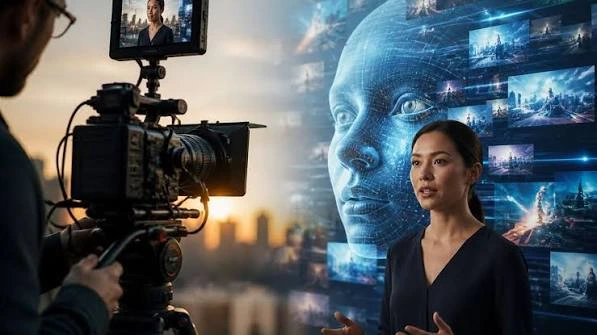
Every creative project reaches a point where imagination meets practical limitations. A business owner may have a campaign idea but no budget for a professional shoot. A writer might picture an entire sequence while struggling to explain it to a production team. An independent creator may know exactly how a video should feel but lack the equipment, time, or technical experience to produce it. These situations are not necessarily caused by a lack of creativity. More often, they happen because turning an idea into a finished visual product requires resources that are not always available.
An ai video maker offers another way to approach this challenge. Instead of organising every project around cameras, locations, and physical production, creators can begin by developing visual concepts from written instructions and reference material. They can explore different interpretations, test possible scenes, and gradually shape an idea into a video. This does not mean every production task becomes effortless. It means the early creative process can become more flexible, allowing people to investigate possibilities before deciding which direction deserves their time and attention.
The more interesting development in 2026 is how this technology is influencing creative decision-making. Video production is no longer only about capturing something that already exists. It can also involve constructing visual environments, testing imaginary situations, and developing different versions of the same message. For independent creators and small businesses, this creates an opportunity to rethink the relationship between planning, experimentation, and production.
The Creative Bottleneck That Traditional Production Often Creates
Traditional video production involves several connected responsibilities. Someone must develop the concept, organise the shoot, arrange the location, manage lighting, capture footage, and assemble the final material. Even a short video can require significant preparation when the desired result involves multiple scenes or specific visual conditions.
The difficulty becomes more noticeable when a project is still at the idea stage. A creator might want to compare three different approaches to a product advertisement, but organising three separate shoots would be inefficient. Another person might want to test whether a particular environment suits a story before spending money on location arrangements. In both situations, the biggest challenge is not necessarily editing. It is the cost of exploring different creative possibilities.
AI-assisted production changes this early stage by making experimentation less dependent on physical resources. A creator can develop several visual directions, compare their strengths, and identify which one communicates the intended message most effectively. Some experiments may lead nowhere, but that is part of the creative process. Discovering that an idea does not work during planning is generally better than discovering it after a costly production.
This shift can be particularly valuable for independent professionals. Instead of waiting until every production detail is available, they can begin shaping the visual direction using the resources already within reach. The technology becomes a way to investigate ideas rather than simply a shortcut to a finished video.
Why Visual Prototyping Is Becoming an Important Creative Skill
Prototyping is familiar in fields such as architecture, software development, and product design. Before building the final product, professionals create preliminary versions to examine structure, identify weaknesses, and test possible improvements. The same principle can be applied to video production.
A visual prototype is an early representation of how a finished video might look. It does not need to contain every detail or final effect. Its purpose is to communicate the general direction of the project. For example, a marketing team might create a short sequence to explore how a new product could be introduced through a lifestyle setting. A filmmaker might develop sample scenes to understand whether a particular atmosphere supports the story.
This process makes feedback more specific. When people can see an early version of an idea, they can respond to its composition, mood, pacing, and visual clarity. Instead of discussing abstract possibilities, they have something concrete to evaluate. That can reduce misunderstandings between clients, designers, writers, and production teams.
Prototyping also encourages creators to question their first ideas. A scene that initially appears convincing in written form may look confusing when translated into visuals. An alternative setting or camera perspective might communicate the same message more effectively. By treating early outputs as experiments rather than finished work, creators can make better decisions before investing in detailed production.
The Importance of Designing for the Viewer Rather Than the Technology
When new creative tools become popular, it is easy to focus too much on their technical capabilities. People experiment with unusual effects, complex movements, and impressive environments simply because they are available. While experimentation can be useful, it should not become the purpose of the video.
A successful video begins with an understanding of its intended audience. A short explanation for first-time customers requires a different approach from an artistic film or a product advertisement. The audience has different expectations, different levels of knowledge, and different reasons for watching.
For example, a company introducing a complicated service should prioritise clarity. Its video should help viewers understand the problem, explain the proposed solution, and communicate the next step. An independent filmmaker, on the other hand, may want to create curiosity through visual ambiguity and carefully controlled information. Both approaches can be effective, but their creative objectives are not the same.
This is why the purpose of a scene should be established before deciding how it will be generated. Creators should ask what viewers need to understand, which details deserve attention, and what feeling should remain after the video ends. Once those questions are answered, visual decisions become more purposeful. Technology is then serving the audience rather than competing for its attention.
Building a Recognisable Visual Identity Across Different Videos
For brands and independent creators, consistency is one of the most valuable elements of long-term communication. An individual video may attract attention, but a recognisable visual identity helps audiences connect different pieces of content over time. This identity can develop through recurring colours, environments, composition choices, typography, and overall atmosphere.
AI-assisted production creates opportunities to explore visual styles without organising an entirely new physical shoot for every concept. A creator can develop reference material that describes the intended appearance of a project. These references might include colour palettes, lighting examples, character descriptions, background details, and preferred camera perspectives.
However, consistency requires more than repeating the same visual prompt. Different scenes need to feel as though they belong to the same creative world. A brand using natural colours and minimal backgrounds, for example, should consider whether a highly dramatic scene fits its established identity. Similarly, a fictional character should maintain recognisable features across different parts of a narrative.
A useful practice is to prepare a small visual guide before developing a series of videos. It can define the overall atmosphere, recurring visual elements, and details that should remain unchanged. This gives the creator a reference point when producing new material and makes it easier to identify outputs that do not match the intended direction.
Turning One Creative Idea Into Content for Multiple Platforms
Modern creators rarely produce content for only one destination. A single campaign may need a landscape video for a website, a shorter version for social media, a vertical clip for mobile viewers, and a different edit for an advertising platform. Each format creates its own requirements, even when the underlying message remains the same.
This is where content adaptation becomes an important part of the production strategy. Instead of creating every version independently, a creator can begin with one central concept and plan how it might be presented in different formats. The main story remains consistent, while the framing, duration, and order of information change according to the platform.
A product introduction provides a useful example. The longer version might explain the product’s purpose, demonstrate its features, and show it in everyday use. A shorter version could focus on one benefit, while a vertical edit might use a closer composition that works better on a mobile screen. Each version has a distinct role rather than being a simple copy of the original.
Planning these variations early can prevent unnecessary editing later. It also encourages creators to think about how viewers encounter content in different environments. Someone watching a video on a website may have more time and context than someone scrolling through a social feed. Understanding that difference helps determine which information should appear first and which details can be removed.
The Hidden Work Behind a Convincing AI-Generated Scene
A generated video may appear complete at first glance, but a closer examination can reveal details that require correction. Objects may change shape between frames, movements can appear unnatural, and background elements may not behave consistently. These problems are especially noticeable when a scene contains hands, faces, text, reflections, or interactions between multiple subjects.
The solution is not simply to generate more versions without a plan. A better approach is to evaluate each output against a clear set of requirements. Does the subject look consistent? Is the movement understandable? Does the camera position support the scene? Are important objects visible throughout the sequence? These questions help distinguish a visually attractive result from one that is actually suitable for publication.
Short scenes can be easier to review than long, complicated sequences. A creator may choose to develop a difficult moment as several smaller shots rather than asking for an entire sequence in one generation. This can provide more control over the narrative and make it easier to replace a weak segment without rebuilding the complete video.
Human review remains essential throughout this process. Automated generation can produce material quickly, but it does not guarantee that every visual detail is correct. Careful selection, editing, and quality control are what turn preliminary material into a reliable creative output.
How Small Businesses Can Use Video Without Building a Production Department
Small businesses often have valuable stories to communicate but limited resources for producing regular video content. They may need to introduce new services, explain how a product works, announce seasonal campaigns, or demonstrate what makes their business different. Hiring a production team for every small update is not always practical.
AI-assisted workflows can make the planning and development of some video concepts more manageable. A business owner can begin with a customer question, a product feature, or a common problem and turn it into a short visual explanation. Instead of trying to communicate everything in one advertisement, separate videos can address individual questions.
For example, a furniture business could create content about material choices, room planning, product care, and the process of selecting suitable furniture. A technology company could explain common device problems through short visual demonstrations. A local service provider might use video to show how a particular service works and what customers should expect.
The most effective approach is to focus on usefulness rather than posting frequency alone. Audiences are more likely to pay attention when a video answers a genuine question or presents information in a clear and interesting way. Businesses should also review their branding, product details, and claims before publishing generated content. A polished appearance cannot compensate for inaccurate information.
Creative Ownership, Authenticity, and Responsible Production
As AI becomes part of everyday content creation, questions about originality and ownership deserve serious consideration. Generating a visual result does not automatically make the creative process original. A project can still depend heavily on existing references, copied concepts, or recognisable elements from another creator’s work.
Creators should develop their own direction rather than relying entirely on familiar visual formulas. This might involve writing original scripts, developing distinctive characters, combining unexpected environments, or exploring subjects from a personal perspective. A clear creative intention gives a project more identity than a collection of popular effects.
Authenticity is another important consideration. If a video presents an imagined scene as real documentary footage, viewers may misunderstand what they are watching. This matters particularly in journalism, education, public communication, and advertising. Creators should be transparent when synthetic imagery could materially affect how an audience interprets the content.
It is also sensible to review the usage rights and commercial terms of the tools and assets involved in a project. Music, photographs, logos, voices, and other protected material may have separate restrictions. Understanding these requirements before publication can prevent avoidable problems later.
Developing a Repeatable Creative Workflow
A reliable production process should make experimentation easier without allowing projects to become disorganised. The first step is to define the central message. A creator should be able to explain the purpose of the video in a few sentences before beginning visual development.
Next, the idea can be divided into individual scenes. Each scene should have a specific function, such as introducing a subject, explaining a problem, showing a solution, or creating an emotional connection. Short descriptions and reference material can then provide direction for the visual development stage.
After generating preliminary material, the creator should review the results individually and as part of the complete sequence. This second review is important because a scene that works independently may not fit the rhythm of the larger video. Weak transitions, repeated information, and unnecessary shots should be identified before final editing.
The final stage involves refining timing, sound, captions, framing, and platform requirements. It is also worth watching the video on the type of device the intended audience is likely to use. A detail that looks clear on a large monitor may become difficult to see on a mobile screen. These practical checks help ensure that the final output works outside the editing environment.
Conclusion
The future of independent video production is not simply about making footage faster. It is about giving creators more opportunities to explore ideas, test visual directions, and communicate messages without allowing production limitations to decide every creative choice.
AI-assisted workflows can make visual prototyping, content adaptation, and concept development more accessible, especially for people working without large teams or professional studios. However, originality, audience understanding, continuity, and editorial judgment remain central to producing meaningful work.
In 2026, creators who combine technical experimentation with thoughtful planning will have a valuable advantage. The goal should not be to use technology in every possible way. It should be to choose the methods that help a particular idea become clearer, more engaging, and more useful to the people watching it.
Frequently Asked Questions
What is the main difference between AI-assisted video production and traditional video production?
Traditional production generally relies on capturing real footage through cameras and physical setups. AI-assisted production can also create visual material from written descriptions and references. Both approaches can be combined depending on the project’s requirements.
Can independent creators use AI video tools for professional projects?
Yes, independent creators can use them for concept development, promotional material, visual experiments, and other suitable projects. Professional results still require planning, editing, consistency checks, and careful review of usage rights.
Why is visual prototyping useful before creating a complete video?
Prototyping allows creators to examine the visual direction before committing to a full production. It can reveal problems with composition, storytelling, atmosphere, and scene structure while changes are still relatively easy to make.
How can businesses maintain consistent branding across AI-generated videos?
They can prepare visual guidelines covering colours, typography, environments, lighting, and recurring brand elements. Reviewing every video against these guidelines helps maintain a recognisable identity.
Does AI-generated video remove the need for editing skills?
No. Editing remains important for selecting the strongest scenes, improving pacing, correcting inconsistencies, balancing audio, and making sure the final video communicates its intended message.
