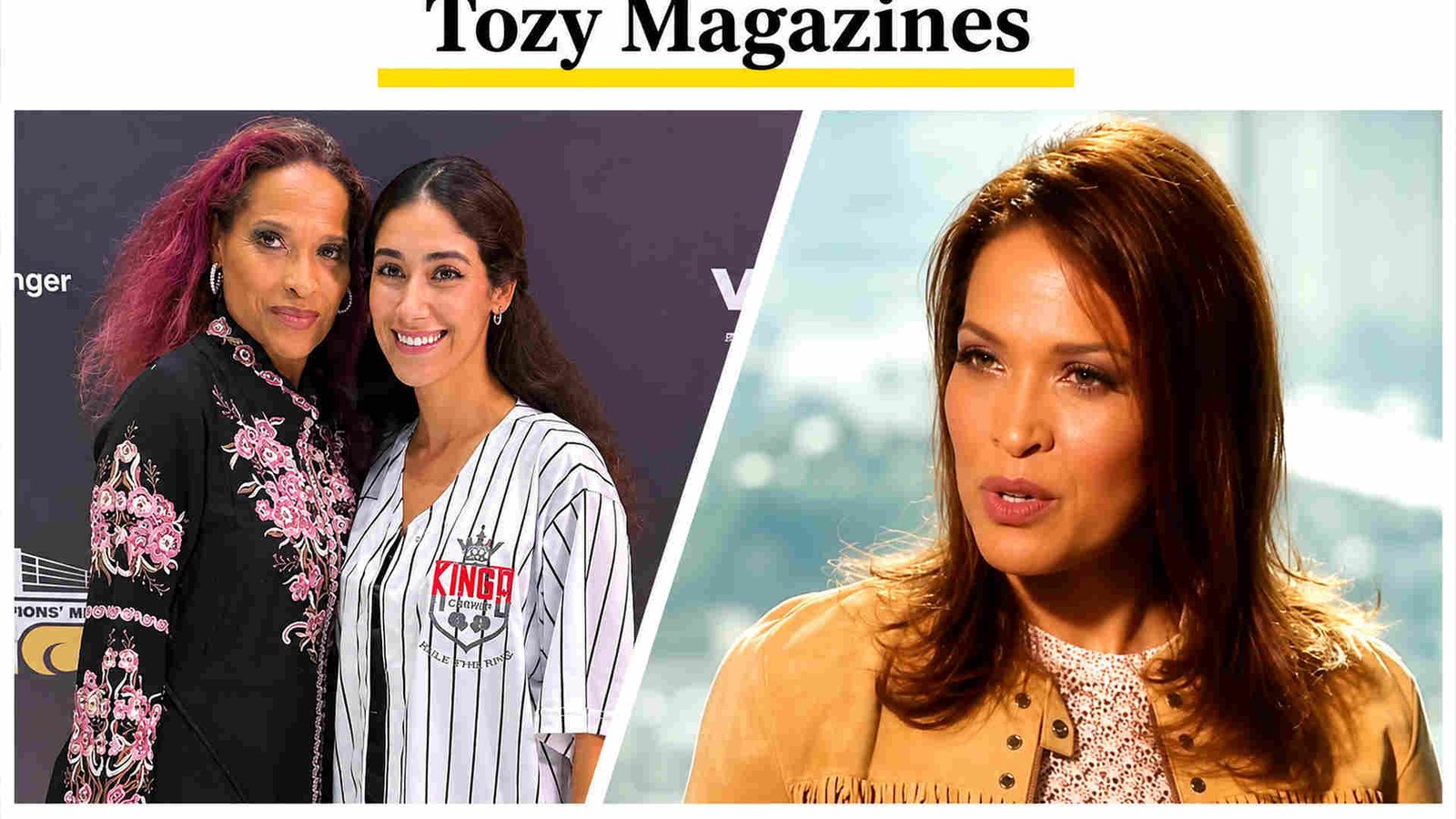
Rasheda Ali is an American author, speaker, and Parkinson’s disease advocate. She is the daughter of boxing champion Muhammad Ali, but her public work has a purpose of its own. Through a children’s book, public talks, and partnerships with health organizations, she has helped families find language for a condition that can be hard to explain, especially to children.
People often search for Rasheda because of her famous father or her son, boxer Nico Ali Walsh. Her story, though, is also about what happens inside a family when someone lives for years with a serious illness. She has used those lessons to help other people ask questions, offer support, and feel less alone.
In this article, you’ll discover Rasheda Ali’s family background, education, writing, advocacy, public appearances, and the role she has played in keeping Muhammad Ali’s humanitarian values alive.
Quick Bio – Rasheda Ali
- Full name: Rasheda Ali Walsh
- Known for: Writing, public speaking, and Parkinson’s awareness
- Father: Muhammad Ali
- Twin sister: Jamillah Ali
- Education: University of Illinois Urbana-Champaign
- Book: I’ll Hold Your Hand So You Won’t Fall: A Child’s Guide to Parkinson’s Disease
- Husband: Robert Walsh
- Children: Biaggio Ali Walsh and Nico Ali Walsh
Who Is Rasheda Ali?
Rasheda Ali has spent much of her adult life speaking about the needs of people affected by Parkinson’s disease. She is not a physician and does not present herself as one. Her role is different: she brings the view of a daughter who watched her father adapt to changes in movement, speech, and everyday life. That experience gives her a personal connection to families who are learning how to help someone they love.
She has also worked in entertainment and communications. Her professional history includes film and television work, public appearances, and speaking engagements. Still, her most recognizable contribution is making a difficult health subject easier to discuss in ordinary family settings.
Growing Up in Muhammad Ali’s Family
Rasheda grew up in a family that the world watched closely. Muhammad Ali was more than a boxing champion. His words, religious convictions, activism, and public personality made him an international figure. At home, however, he was also a parent. Rasheda’s recollections show the difference between the person seen on television and the father remembered by his children.
She and her twin sister Jamillah were part of a large group of siblings. Some followed public careers, while others chose quieter paths. Their different interests are a reminder that a famous surname does not give every child the same goals or identity.
In interviews about the documentary City of Ali, Rasheda remembered her father’s humor and the small ways he entertained family members. She described the playful side that people might miss when they focus only on his fights or political statements. Such memories matter because they show the man behind the worldwide image.
Education and Early Professional Experience
Rasheda studied communications at the University of Illinois Urbana-Champaign. Her professional timeline identifies a bachelor’s degree completed in 1992. Communications was a practical foundation for someone who would later work with audiences, journalists, families, and nonprofit groups.
Her early career did not begin with a single fixed job title. The timeline published by the Ali Walsh Group includes retail work at Walt Disney World, a public relations role with the Miami Heat, and work in film. These experiences placed her in settings where presenting ideas clearly and connecting with people were important.
She also joined professional performers’ organizations during the 1990s. Acting and media work offered another way to develop a public voice. Yet the defining direction of her later career came from a challenge much closer to home.
How Parkinson’s Disease Shaped Her Mission
Muhammad Ali lived with Parkinson’s for decades. The condition affected his ability to move and speak, but he continued to appear in public and support causes that mattered to him. For his family, the experience was not limited to major public moments. It was part of everyday life, with practical concerns, changing routines, and emotional strain.
Rasheda has discussed the difficulty of seeing her father lose some of the physical ease and powerful speech for which he was famous. She has also spoken about his faith and determination. Her message is not that a positive attitude cures illness. Rather, she points to the dignity of people who continue to live, connect, and contribute while facing it.
That distinction matters. Parkinson’s affects people differently, and families need information from qualified medical teams. Encouragement can help, but it cannot replace medical care, therapy, or personal treatment plans. Rasheda’s work is best understood as education and family support, not medical advice.
The Children’s Book That Put Family Questions First
In 2005, Rasheda published I’ll Hold Your Hand So You Won’t Fall: A Child’s Guide to Parkinson’s Disease. The title captures the book’s main idea: children can be part of a caring family even when they do not understand every medical term. A child may notice shaking, slower movement, or a change in a loved one’s voice. Without a clear explanation, those changes can be confusing or frightening.
The book was shaped by her experience as both a daughter and a mother. It gives families a starting point for conversation. Rather than treating children as people who should be kept away from every hard topic, it recognizes that they may already see the effects of illness and want honest answers.
Its lasting value is the attention it gives to the child’s point of view. A parent or grandparent can have a condition, and a child can still feel safe, connected, and useful. The aim is not to promise that every day will be easy. It is to replace silence with age-appropriate understanding.
Advocacy Beyond Her Own Family
Rasheda has taken part in awareness campaigns and events connected with Parkinson’s organizations. In 2006, the American Academy of Neurology announced that she was helping share public service messages about its Parkinson’s guidelines. That work connected a recognizable family voice with medical information developed by specialists.
She has also spoken at fundraising and awareness events. Her public appearances have included programs associated with the National Parkinson’s Foundation and the Michael J. Fox Foundation. These events help bring attention to the practical needs of patients and caregivers as well as the broader effort to improve care and research.
In 2012, she visited Hadassah Medical Center in Jerusalem and met neurologists working on research into degenerative brain conditions. The visit was documented by Hadassah International. It is an example of how her advocacy extended beyond speeches to conversations with researchers and medical institutions.
A research visit should not be mistaken for proof that any experimental therapy works. The importance of the meeting was the exchange between an advocate and researchers, not an endorsement of a cure. Medical claims require evidence from clinical studies and health authorities.
Marriage, Children, and a New Generation
Rasheda married Robert Walsh in 1997, according to the family’s published timeline. They have two sons, Biaggio Ali Walsh and Nico Ali Walsh. Both have appeared in sports coverage, but their paths are distinct. Biaggio has pursued athletics, while Nico entered professional boxing and has been widely discussed because of his grandfather’s legacy.
For Rasheda, the connection between generations is personal. Her sons knew Muhammad Ali as a grandfather, not simply a sports legend. She has shared stories about him playing with his grandchildren and making them laugh. Those memories offer a different kind of inheritance from a famous name.
Nico’s boxing career has naturally drawn comparisons with Muhammad Ali. Comparisons can create interest, but they can also place expectations on a young athlete. The fairest way to understand Nico’s career is through his own training, bouts, and choices, while recognizing the family history that surrounds him.
Her Role in Documentaries and Public Conversations
Rasheda has participated in conversations about films and projects examining Muhammad Ali’s life. One example is City of Ali, a documentary centered on Louisville and the response to his death. When she discusses such projects, she often brings the focus back to her father’s generosity, humor, faith, and family relationships.
That perspective is valuable because public figures are often reduced to a few familiar images. Muhammad Ali’s boxing victories and sharp words are well documented. A daughter’s recollections add context about what his fame meant at home and how his family experienced his long illness.
She has also appeared on television to discuss Parkinson’s awareness and her father’s legacy. These appearances are part of her communications work, but they should not be confused with a full-time role as a television news anchor or medical expert.
What Makes Her Work Distinct
There are many celebrity relatives who become known mainly through family connections. Rasheda’s public identity has a clearer focus. She chose an issue she understood through daily life and kept returning to it through writing, speaking, and outreach.
Her approach also brings two audiences together. Adults need reliable information and support when caring for someone with Parkinson’s. Children need simple explanations and permission to talk about what they see. By recognizing both needs, she has made a useful contribution to family-centered awareness.
Her story also shows why public advocacy can matter without turning an advocate into a scientist. Personal experience can open doors, encourage people to seek help, and make complicated topics easier to discuss. Research and treatment decisions, meanwhile, remain the work of trained professionals and patients with their care teams.
Frequently Asked Questions
Is Rasheda Ali Muhammad Ali’s daughter?
Yes. Rasheda Ali Walsh is one of Muhammad Ali’s children. She is known for her own work as an author and Parkinson’s disease advocate.
Does Rasheda Ali have a twin sister?
Yes. Her twin sister is Jamillah Ali. They grew up as part of Muhammad Ali’s larger family.
What book did Rasheda Ali write?
She wrote I’ll Hold Your Hand So You Won’t Fall: A Child’s Guide to Parkinson’s Disease, a book intended to help children and families talk about the condition.
Who are Rasheda Ali’s children?
Her sons are Biaggio Ali Walsh and Nico Ali Walsh. Both have been connected with competitive sports, and Nico has pursued professional boxing.
Is Rasheda Ali a doctor?
She is known as an author, speaker, and advocate, not as a physician. Her work helps raise awareness and support family conversations about Parkinson’s disease.
Bottom Line
Rasheda Ali’s story begins with an extraordinary family, but it does not end there. She has taken lessons from her father’s long experience with Parkinson’s and turned them into work that families can use. Her book and advocacy remind readers that a serious illness affects relationships as well as health. Listening, explaining, and staying present may not solve every problem, but they can make a difficult day feel less lonely.
Continue Reading ➔ Fauzia Mubarak Ali: Family and Education Work
