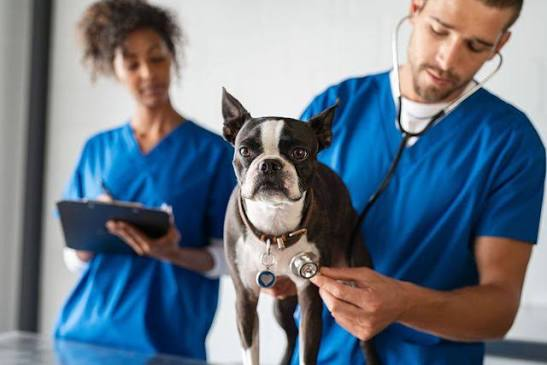
Veterinary students nearing graduation face key decisions about protecting their future income as professionals. An internship or first clinical position introduces employment arrangements that influence available disability benefits. Disability insurance for soon to be veterinarians provides income protection when illness or injury prevents the performance of covered professional duties. Here are five questions to discuss when comparing disability policies for your veterinary career.
When Do Payments Begin?
The elimination period is the number of days between the onset of eligible disability and the start of benefit payments. Policies offer varying waiting periods before benefits begin; a shorter waiting period allows payments to start sooner, while a longer period delays the first payment. Your available savings and employment benefits can help determine which option best suits your circumstances.
Internship agreements sometimes include paid sick leave, although the duration varies between employers. When an injury interrupts clinical duties, the elimination period determines how long you rely on other income sources. A graduate with limited paid leave faces different circumstances from someone with extended workplace benefits. Comparing both arrangements helps establish an appropriate waiting period.
The insurer’s definition of disability also affects when the elimination period begins. Some contracts require continuous disability throughout the waiting period, while others contain different claim conditions. Ask how the insurer records the disability onset date and evaluates supporting medical evidence.
How Can Benefits Increase?
Your initial monthly benefit is based on the coverage approved when the policy takes effect. As your veterinary salary grows, the original benefit represents a smaller share of your earnings. A future increase rider provides an opportunity to increase eligible coverage under specified policy conditions. The rider’s terms determine when increases are available, how much additional coverage qualifies, and what limits apply.
Some contracts provide scheduled annual increases, while others allow you to request increases at designated intervals. Requested increases often require financial documentation demonstrating higher eligible earnings. Medical underwriting requirements also vary by rider and policy, so ask whether future increases require updated health information, proof of income, or additional underwriting, and what limits apply to each adjustment.
What Defines Your Occupation?
Veterinary duties involve specialized clinical responsibilities, and an injury affecting one skill does not automatically preclude all forms of work. An own-occupation definition assesses disability against the duties of your insured veterinary role. An any-occupation definition examines your ability to perform other suitable occupational tasks. These distinctions illustrate how policy definitions influence disability benefit eligibility:
- Own-occupation coverage evaluates disability based on your ability to perform the duties of your insured veterinary profession.
- Any-occupation coverage evaluates whether you remain able to work in another occupation suited to your education, training, and experience.
- Specialty-specific definitions focus on the duties and responsibilities associated with particular veterinary specialties or roles.
- Outside employment provisions explain how income earned from another occupation affects your eligibility for disability benefits.
A surgical intern has different responsibilities from a veterinarian working primarily in consultations. If an injury prevents a veterinarian from being able to perform surgical procedures, the policy definition influences how the insurer assesses the claim. Describe your expected clinical duties accurately when completing the application.
How Are Partial Benefits Calculated?
A veterinarian recovering from an injury might return to work with reduced clinical responsibilities or a limited workload. Residual disability provisions address qualifying income losses when an insured returns to work with reduced capacity due to sickness or injury. The insurer compares pre-disability earnings with income earned during the recovery period, according to the policy’s contractual definitions. Ask how the benefit calculation accounts for variable compensation, such as bonuses or production-based pay, and which financial records are required to support a claim.
What Happens When Roles Change?
The details of your first veterinary job will be used in your occupation record for policy assessment. Starting an internship, transitioning to private practice, or leaving an employer-sponsored position often changes your insurance needs. Unlike employer-sponsored group benefits, individual disability coverage is typically tied to you rather than your employment, providing continuity when you change jobs or leave an employer. A few of the areas require clarification before choosing your disability insurance for soon to be veterinarians:
- Internship transition: Review how decreased training income will impact eligibility for coverage increases.
- Employer benefits: Check your group disability coverage with your individual coverage.
- Specialty changes: Change occupational information when clinical responsibilities change.
Invest in Disability Insurance for Soon to Be Veterinarians
Application accuracy should be verified before submitting policy documents. Provide accurate health information and details about your anticipated veterinary duties, as inaccurate disclosures may complicate claim evaluation. Save copies of the application and any policy changes with your employment files. Speak with an expert familiar with veterinary insurance to learn more.
