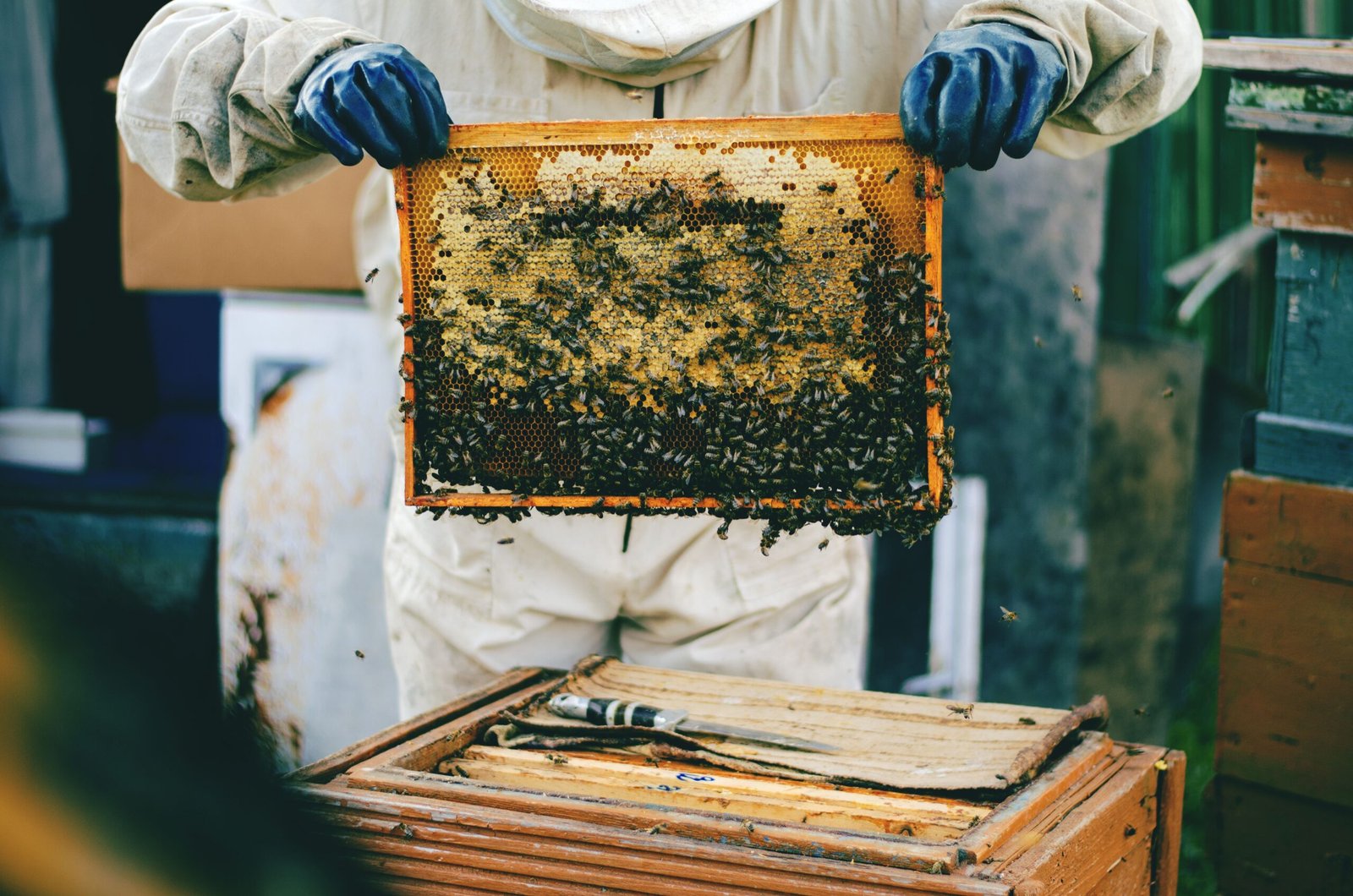
Have you ever thought about producing your own honey while helping local pollinators thrive? Backyard beekeeping has become increasingly popular among homeowners, gardeners, and nature enthusiasts. While starting a hive requires planning, equipment, and ongoing care, it can be a rewarding hobby that provides fresh honey and supports the local ecosystem. Understanding the fundamentals before bringing home your first colony will help set you up for long-term success.
Research Local Beekeeping Regulations
Before purchasing bees or equipment, take time to understand your local laws and regulations. Many municipalities allow backyard beekeeping, but some have restrictions regarding hive placement, colony limits, permits, or registration requirements.
You should also review any homeowner association rules that may apply to your property. Speaking with neighbors in advance can help build goodwill and reduce concerns about bees in the area. Starting your beekeeping journey with a clear understanding of local requirements helps prevent future complications.
Gather Essential Beekeeping Equipment
Successful beekeeping starts with the right tools. While there are many accessories available, beginners should focus on acquiring the essentials.
Basic equipment includes:
- Hive boxes and frames
- Bottom board and hive cover
- Bee smoker
- Hive tool
- Feeder
- Bee suit or jacket
- Veil and gloves
Protective gear is especially important for new beekeepers who are still learning how to work confidently around a colony. Investing in quality equipment from the beginning often makes hive management safer and more enjoyable.
Many suppliers offer complete starter kits that include all the necessary components, making it easier for beginners to get started without purchasing each item individually.
Choose How You’ll Obtain Your Bees
New beekeepers typically start with either package bees or nucleus colonies.
Package Bees
Package bees consist of a group of worker bees and a queen shipped in a ventilated box. They are generally less expensive and widely available in the spring.
Benefits include:
- Lower initial cost
- Easy availability
- Simple transportation
However, package bees require time to establish themselves and build comb before becoming highly productive.
Nucleus Colonies
A nucleus colony, often called a nuc, is a small, functioning colony that already contains brood, honey stores, pollen, and a laying queen.
Advantages include:
- Faster colony growth
- Earlier honey production
- Higher initial success rates
Although nucs typically cost more than packages, many beginner beekeepers appreciate the stronger start they provide.
Select the Right Hive Location
Where you place your hive has a major impact on colony health and management.
When choosing a location, look for:
- At least six hours of sunlight daily
- Protection from strong winds
- Good drainage
- Easy access for inspections
- Distance from high-traffic areas
Many beekeepers position hives so the entrance faces southeast or south to capture morning sunlight. Bees also need a reliable water source, so providing a shallow bee-friendly water station nearby can help prevent them from visiting neighbors’ pools or birdbaths.
Good airflow around the hive is equally important, as excessive moisture inside the hive can contribute to disease and other health issues.
Learn Basic Hive Management
A healthy colony requires regular monitoring throughout the year. Hive inspections allow beekeepers to verify that:
- The queen is laying eggs properly
- Food stores are sufficient
- Brood patterns appear healthy
- Disease or pests are not present
- The colony has enough space to grow
One of the most common threats to honey bees is the varroa mite, a parasite that weakens bees and spreads harmful viruses. Learning how to monitor and manage mite levels is a critical part of responsible beekeeping.
Many beginners benefit from joining a local beekeeping association or taking a beekeeping course. Experienced beekeepers can provide valuable guidance tailored to local weather patterns, forage conditions, and regional challenges.
Prepare for Honey Harvesting
Most new colonies spend their first season establishing themselves rather than producing large honey surpluses. As a result, many beekeepers wait until the second year before performing substantial honey harvests.
When harvest time arrives, honey-filled frames are removed and processed using various extraction methods. Many beekeepers use a honey extractor to spin honey from the comb while preserving the wax structure. This allows the bees to reuse the comb, reducing the energy they would otherwise spend rebuilding it.
Proper harvesting ensures that enough honey remains for the colony to survive periods when flowers and nectar sources are limited.
Think Beyond Honey Production
While honey is often the primary motivation for new beekeepers, maintaining a hive offers several other benefits.
Beekeeping can:
- Improve pollination in gardens and landscapes
- Increase fruit and vegetable yields
- Support local pollinator populations
- Provide educational opportunities
- Promote environmental awareness
Observing a healthy bee colony also offers a unique glimpse into one of nature’s most sophisticated social systems.
Conclusion
Starting your own hive at home is a rewarding venture that combines environmental stewardship, practical skills, and the possibility of harvesting your own honey. By understanding local regulations, investing in quality equipment, selecting healthy bees, choosing the right hive location, and learning proper colony management techniques, you can build a strong foundation for long-term success.
With patience, education, and consistent care, your first hive can become a thriving colony that benefits both your household and the surrounding ecosystem for years to come.
